
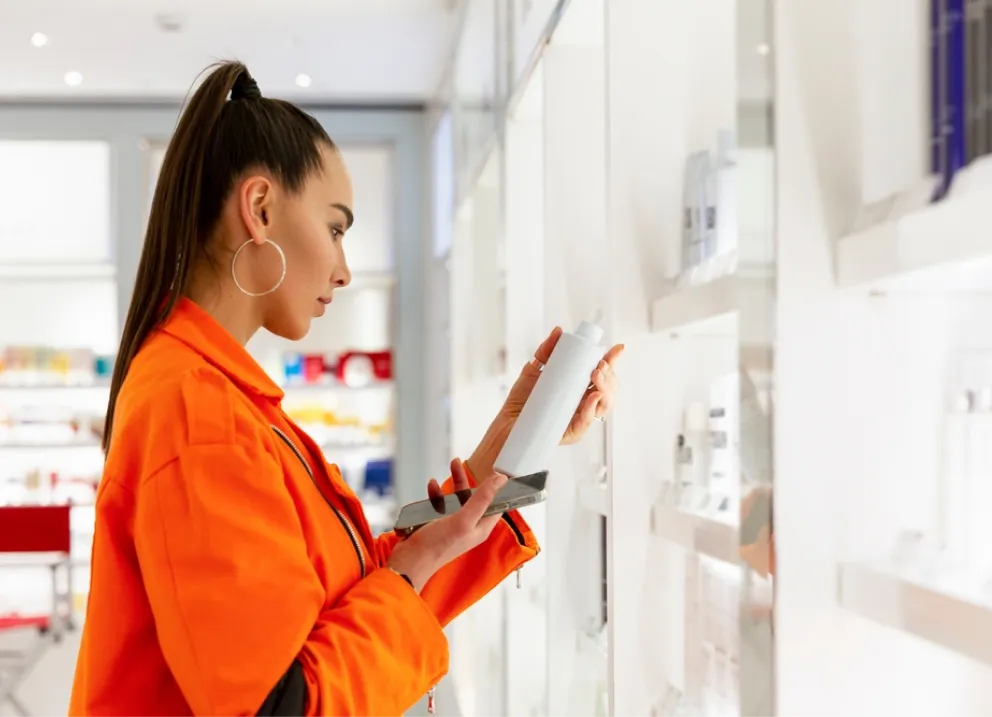
For generations, talcum powder has been a household staple. Marketed as a symbol of cleanliness, freshness, and femininity, it has long been part of the daily routines of countless women. But beneath the soft, scented promise of comfort lies a far more troubling reality: growing evidence links long-term use of talcum powder to serious health concerns, including ovarian cancer.
Today, more than ever, women deserve to know the truth. We must prioritize consumer education, legislative advocacy, and community support to protect women from avoidable risks lurking in everyday health and beauty products.
Talc, the primary ingredient in talcum powder, is a naturally occurring mineral. In its raw form, talc is often found near asbestos—a known carcinogen. When talc becomes contaminated with asbestos, it poses a serious health threat. While manufacturers claim the talc used in cosmetics is asbestos-free, studies and lawsuits have raised significant doubts.
One of the most alarming concerns is the potential link between talcum powder use in the genital area and ovarian cancer. Women who used talcum powder for personal hygiene over long periods have reported higher rates of this deadly cancer. In recent years, high-profile lawsuits have brought public attention to the issue, with courts awarding damages to women who developed cancer after years of talcum powder use.
Scientific studies are still ongoing, but the International Agency for Research on Cancer (IARC) classifies talc used in the genital area as “possibly carcinogenic to humans.” That’s not a risk any woman should have to take unknowingly.
Talcum powder is just one example of how the health and beauty industry has failed to prioritize consumer safety. Many beauty products still contain toxic chemicals—including hormone disruptors, allergens, and potential carcinogens—that are legal to sell and poorly regulated.
The FDA does not require pre-market safety testing for cosmetics in the United States. That means thousands of products are on store shelves with ingredients not thoroughly evaluated for long-term safety. For women who use multiple products daily—often more than a dozen—the cumulative exposure to toxins is deeply concerning.
Beyond physical health, this issue takes a mental and emotional toll on women who discover their trusted self-care routines may have exposed them to harm. These women deserve truth, support, and systemic change.
Knowledge is a powerful defense that every consumer should be armed with. Here’s how women can protect themselves from harmful beauty products and minimize their exposure to dangerous toxins like talcum powder:
There’s no reason to sacrifice comfort for safety. Many safe, effective alternatives to talcum powder offer the same benefits without the potential health risks.
Safer options include:
When shopping, look for products labeled “talc-free” and check the complete ingredient list. Better yet, consider DIY alternatives—mixing your powder at home allows you to control every ingredient and customize it to your preferences.
Women should not have to become chemists to protect themselves. That’s why legislation and advocacy are essential. We need laws that:
Some progress has been made. States like California have passed laws to increase the disclosure of fragrance ingredients and prohibit toxic chemicals in cosmetics. But national legislation is long overdue. We must keep up the pressure.
You can help by:
Your voice matters—and real change is possible when we join together as a community.
Learning that something as familiar as talcum powder could be linked to cancer is shocking—and often traumatic. For women who have received a diagnosis or are living with the fear of exposure, mental health care is essential.
Supporting women means listening, validating, and helping them heal physically and emotionally.
It’s time to put safety before profits and people before packaging. Women have a right to beauty routines that don’t come with hidden risks. They have a right to know what’s in their products. And they have a right to support and healing if they’ve been harmed.
As consumers, family members, advocates, and policymakers, we all have a role to play. Through education, legislation, and community support, we can build a future where women are protected by the products they trust, not poisoned.
Let’s speak up. Let’s ask questions. Let’s stand together. Because the cost of silence is too high—and women’s safety is worth every ounce of our advocacy.