
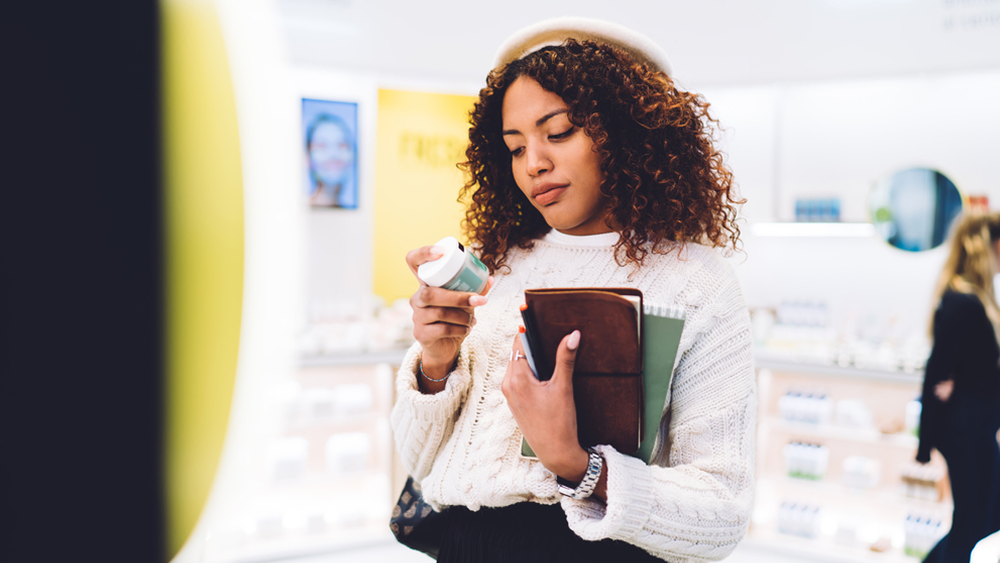
In pursuing beauty, women are often unknowingly exposed to harmful toxins hidden in everyday personal care products. From makeup to lotions, shampoos to deodorants, the beauty industry markets heavily to women—yet the very products designed to enhance confidence and appearance may also be putting them at risk for severe health conditions, including cancer. It’s time we have a frank and compassionate conversation about what’s in our beauty cabinets and how we, as a community, can protect and support women facing these hidden dangers.
Many beauty and personal care products contain chemicals that have been linked to health risks, including hormone disruption, reproductive issues, and certain cancers. Women, especially women of color, are disproportionately affected due to targeted marketing and culturally specific products that often contain higher concentrations of harmful substances.
Some of the most concerning ingredients include:
These toxins accumulate over time, and because women tend to use multiple personal care products daily—often more than a dozen—their cumulative exposure can be significant.
The health risks associated with long-term exposure to toxic ingredients in beauty products are both profound and underreported. Cancer is one of the most alarming concerns. Breast cancer, in particular, has been studied concerning hormone-disrupting chemicals like parabens and phthalates. Endometrial and ovarian cancers have also been connected to chronic exposure to certain products.
Beyond cancer, these toxins may also contribute to fertility challenges, early puberty, immune system compromise, and chronic skin conditions. Women who are pregnant or breastfeeding are at heightened risk, as many chemicals can affect fetal development and infant health.
It’s essential to recognize that not all women face equal risk. Women of color, low-income women, and those in underserved communities are more likely to use products with higher toxic loads due to affordability, lack of access to clean alternatives, and targeted advertising. This makes education and advocacy all the more critical.
Knowledge is power, and awareness is the first line of defense against these risks. Here are actionable steps women can take to reduce exposure and protect their health:
The journey to safer beauty doesn’t have to be walked alone. Families and loved ones play an essential role in supporting the women in their lives—whether they are actively battling cancer, concerned about their risk, or simply striving to make healthier choices.
Women deserve to feel safe in their skin—literally and figuratively. As a society, we must demand better from an industry that profits from beauty at the expense of health. By raising awareness, sharing knowledge, and advocating for stricter regulations, we can create a culture of wellness and safety for current and future generations.
Let’s build a community where women uplift and protect each other, families become allies in health, and no one has to choose between feeling beautiful and staying healthy. The risk is real—but so is our power to change the narrative.