
Identifying Harmful Chemicals
and Safer Alternatives

Discover some safer, non-toxic alternatives to common beauty, skincare, and personal care products that often contain harmful chemicals
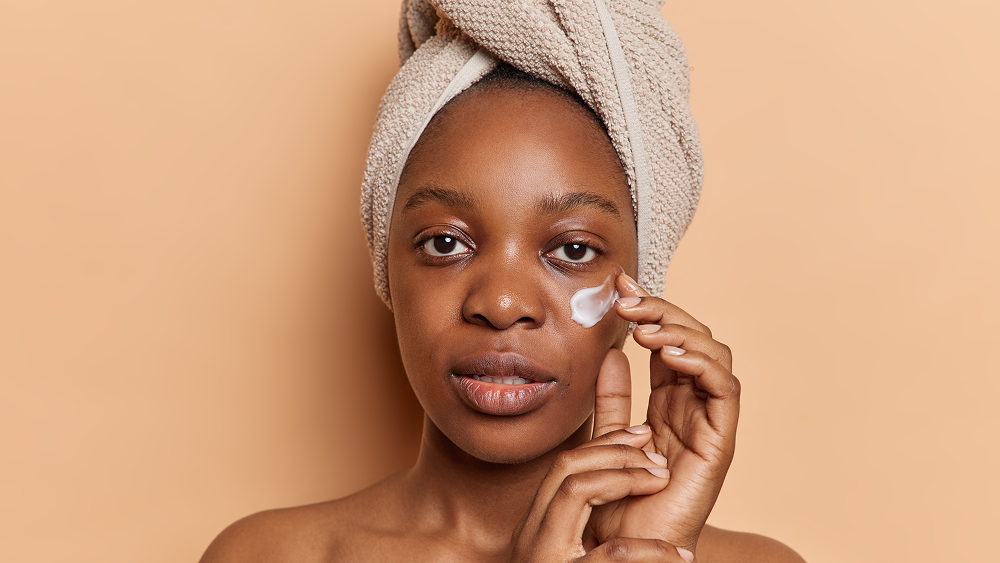
A black woman, wearing a towel on her head, smears skin cream on her cheek while looking into the camera.

Talcum Powder (Safer Alternatives to Talc-Based Powders)
Common Harmful Chemical: Talc (linked to ovarian cancer and asbestos contamination)


Safer Alternatives:

  • Cornstarch Powder: A widely used and safe alternative to talc. It absorbs moisture and helps to prevent chafing. Look for organic cornstarch-based products.
    • Brands to consider: Burt’s Bees Baby Powder, Bob’s Red Mill Cornstarch.

  • Arrowroot Powder: A natural alternative that absorbs moisture effectively and is often used in body powders.

  • Rice Powder: A gentle alternative used in some baby powders, and it is also a great option for absorbing moisture.

Sunscreen (Safer Alternatives to Chemical Sunscreens)
Common Harmful Chemicals: Oxybenzone, Octinoxate, Homosalate, Avobenzone


Safer Alternatives:

  • Mineral (Physical) Sunscreens: These use zinc oxide or titanium dioxide as the active ingredients, which create a physical barrier to UV rays and are non-toxic.
    • Brands to consider: Badger, Blue Lizard, EltaMD, Thinkbaby.

  • Natural Sunscreens with Plant-Based Ingredients: Look for sunscreens containing natural oils like coconut oil, jojoba oil, sheer butter, and raspberry seed oil, which provide a light SPF naturally.


  • SPF Moisturizers: Alba Botanica, Burt’s Bees, and Aveeno offer moisturizers with mineral sunscreens for daily protection without chemical filters.

Hair Care Products (Shampoo, Conditioner, and Styling Products)
Common Harmful Chemicals: Sodium Lauryl Sulfate (SLS), Parabens, Formaldehyde-releasing agents (DMDM Hydantoin), Synthetic fragrances


Safer Alternatives:

  • Sulfate-Free Shampoo: Sulfates can strip hair of natural oils. Sulfate-free shampoos use milder surfactants like cocamidopropyl betaine or sodium coco-sulfate.
    • Brands to consider: Brands to consider: Acure, Ethique, Rahua, Dr. Bronner’s.

  • Natural Shampoos and Conditioners: Formulated with plant-based ingredients such as aloe vera, coconut oil, sheer butter, and argan oil.
    • Brands to consider: Pura D’or, 100% Pure, Aveda (certain lines).

  • Dry Shampoos: Instead of chemical-laden dry shampoos, opt for arrowroot powder or baking soda as a natural alternative.

Deodorants (Safer Alternatives to Antiperspirants)
Common Harmful Chemicals: Aluminum compounds (linked to breast cancer, Alzheimer’s), Parabens, Triclosan


Safer Alternatives:

  • Aluminum-Free Deodorants: These deodorants don’t block sweat glands but fight odor with natural ingredients.
    • Brands to consider: Native, Schmidt’s, Crystal Mineral Deodorant.

  • Baking Soda Deodorants: Often used in natural deodorants to neutralize odor.

  • Essential Oil-Based Deodorants: Look for deodorants with soothing ingredients like lavender, tea tree, and citrus oils.

Foundation and Makeup (Safer Alternatives to Toxic Cosmetics)
Common Harmful Chemicals: Parabens, Phthalates, Synthetic Fragrances, Formaldehyde, Lead (in some lipsticks)


Safer Alternatives:

  • Mineral Makeup: Mineral foundations are often free from harmful chemicals, using natural minerals like titanium dioxide and zinc oxide for coverage and SPF.
    • Brands to consider: BareMinerals, 100% Pure, Alima Pure, Lily Lolo.

  • Organic and Natural Makeup: Look for makeup made with organic plant-based oils, butters, and mineral pigments.
    • Brands to consider: RMS Beauty, ILIA Beauty, Tata Harper, Kjaer Weis.

  • Non-toxic Lipsticks: Choose brands that use natural oils and waxes instead of synthetic chemicals like Parabens and phthalates.
    • Brands to consider: Burt’s Bees, ILIA Beauty, RMS Beauty.

Face Cleanser (Safer Alternatives to Harsh Facial Cleansers)
Common Harmful Chemicals: Parabens, SLS, Synthetic Fragrances


Safer Alternatives:

  • Oil-Based Cleansers: These cleansers remove makeup and impurities without stripping your skin’s natural oils.
    • Brands to consider: Brands to consider: DHC Deep Cleansing Oil, Josie Maran, Tatcha.
  • Cream or Gel-Based Cleansers: Gentle, hydrating cleansers with natural ingredients like aloe vera, green tea, and vitamin C.
    • Brands to Consider: CeraVe Hydrating Cleanser, Cetaphil, Burt’s Bees.
  • Micellar Water: A non-toxic, water-based cleanser that removes dirt and makeup without harsh chemicals.
    • Brands to consider: Garnier SkinActive, Bioderma Sensibio.

Body Lotions (Safer Alternatives to Chemical Body Creams)
Common Harmful Chemicals: Parabens, Phthalates, Synthetic Fragrances, Mineral Oil


Safer Alternatives:

  • Natural Body Lotions: Formulated with nourishing ingredients like shea butter, cocoa butter, coconut oil, and jojoba oil.
    • Brands to consider: Brands to consider: Dr. Bronner’s, Weleda, The Honest Company, Burt’s Bees.

  • Aloe-Based Creams: Aloe vera has soothing properties for the skin and is great for sensitive skin.

  • Calendula Creams: Ideal for healing dry or irritated skin naturally.

Nail Care (Safer Alternatives to Toxic Nail Products)
Common Harmful Chemicals: Formaldehyde, Toluene, Dibutyl Phthalate (DBP)


Safer Alternatives:

  • Toxin-Free Nail Polishes: Many brands now offer 5-free, 7-free, or even 10-free polishes, which are free of harmful chemicals like formaldehyde and DBP.
    • Brands to consider: Zoya, Sally Hansen Good. Kind. Pure, Pacifica.

Shaving Cream (Safer Alternatives to Traditional Shaving Creams)
Common Harmful Chemicals: Synthetic Fragrances, Parabens, Phthalates


Safer Alternatives:

  • Natural Shaving Creams: Made with organic ingredients like coconut oil, shea butter, aloe vera, and essential oils.
    • Brands to consider: Earth Mama, Burt’s Bees, Cremo.

  • Coconut Oil: A natural alternative that provides lubrication and moisturizes the skin during shaving.

By advocating for the passage of the Toxic-Free Beauty Act, you can contribute to nationwide efforts to eliminate harmful chemicals from personal care products, ensuring safer options for consumers across the country.