
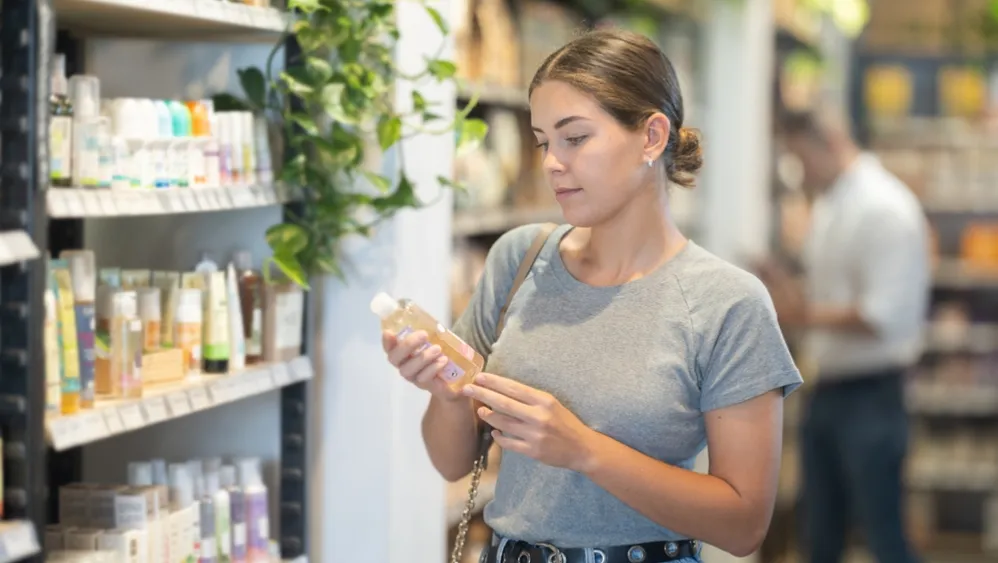
On this page, we’ll share practical tips and advice to help you make informed decisions when selecting beauty products.
From reading labels carefully to understanding the ingredients that may be harmful, these guidelines will empower you to choose safer options for your personal care routine while protecting yourself from potential risks associated with toxic chemicals.
Apps like Clearya, Think Dirty, and Yuka help you make informed choices by scanning product barcodes and revealing potentially harmful ingredients.
They provide safer alternatives, ensuring your beauty routine is both effective and health-conscious.
Tip: Share these apps with other women in your community to help spread awareness and share tools with others to help keep them safe.
Get in the habit of reading labels as the beauty industry is largely unregulated. Try to stick to products with shorter ingredient lists and do your research on clean(er) ingredients out there. It’s essential to read labels carefully and research the products you’re using to make informed decisions.
Tip: Look for labels that say “paraben-free,” “phthalate-free,” or “sulfate-free,” and opt for natural or organic ingredients where possible.
DIY beauty products using natural ingredients like coconut oil, honey, and essential oils help you avoid harmful chemicals in store-bought items. This gives you full control over what you put on your skin, ensuring a safer, healthier beauty routine.
Tip: If you can’t DIY, go for products with natural ingredients like aloe vera, coconut oil, sheer butter, olive oil, tea tree oil, or vitamin E—all of which are beneficial and non-toxic for the skin.
“Fragrance” in personal care products can contain hundreds of undisclosed chemicals, many of which are linked to allergies, skin irritation, and hormone disruption.
Tip: Look for fragrance-free or naturally scented products that use essential oils (e.g., lavender, citrus, eucalyptus) for a safer alternative.
Changes to industry standards often start with collective action. Supporting bills like the Toxic-Free Beauty Act or staying informed about regulatory changes can help push for stronger regulations on harmful chemicals in beauty products.
Tip: Get involved in consumer advocacy, sign petitions, and support brands and organizations that are pushing for greater transparency in personal care products.
By following these tips, you can make more informed choices, reduce exposure to toxic chemicals, and enjoy safer, healthier products in your daily routine.
By submitting the form, you consent to receive communications by email, text, and/or phone from Not So Pretty. You can unsubscribe at any time via the link in our messages. Message and data rates may apply. Messaging frequency may vary. This site is protected by reCAPTCHA and the Google Privacy Policy and Terms of Service apply.